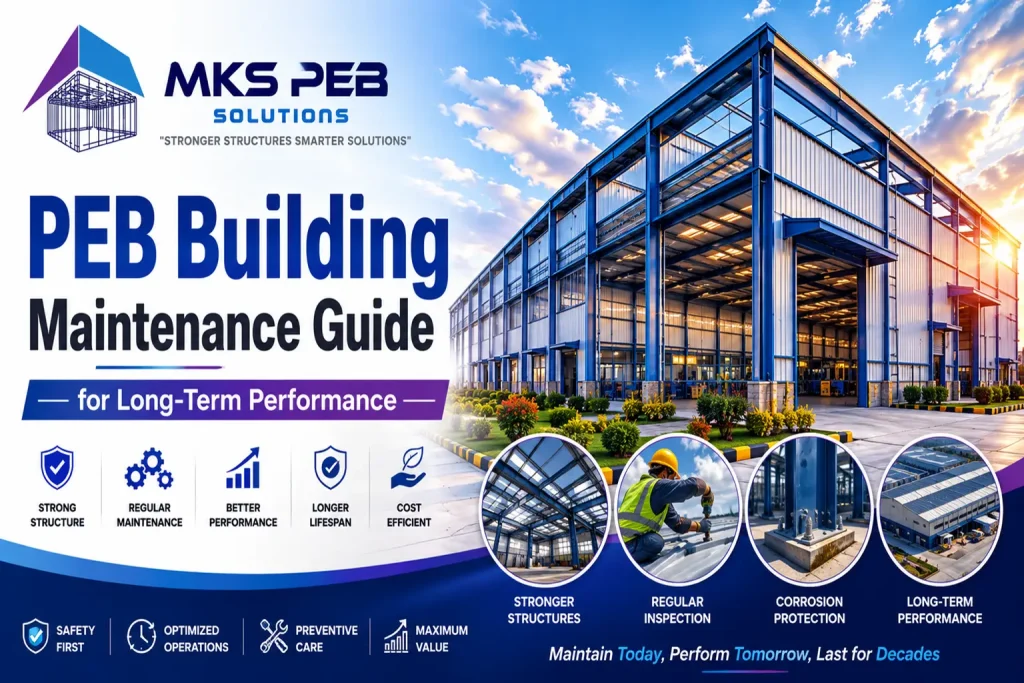
Pre-Engineered Buildings (PEBs) have become the preferred choice for industrial, commercial, warehouse, and manufacturing facilities due to their durability, cost-effectiveness, and faster construction timelines. While PEB structures are designed to withstand harsh weather conditions and heavy operational demands, regular maintenance is essential to ensure long-term performance, structural integrity, and maximum return on investment.
A well-maintained PEB building can serve efficiently for decades while reducing repair costs and preventing unexpected downtime. Whether you own a warehouse, factory, logistics center, or industrial facility, implementing a proper maintenance plan can significantly extend the lifespan of your structure.
This guide explores the best practices for PEB building maintenance and how businesses can protect their investment for long-term success.
Why PEB Building Maintenance Matters
Many business owners assume that steel structures require minimal attention after installation. While PEB buildings are indeed low-maintenance compared to conventional construction, neglecting routine inspections and preventive maintenance can lead to costly issues over time.
Regular maintenance helps:
- Extend the lifespan of the building
- Prevent structural deterioration
- Reduce repair and replacement costs
- Improve workplace safety
- Maintain operational efficiency
- Protect valuable equipment and inventory
- Enhance energy efficiency
A proactive maintenance strategy ensures that small issues are identified and addressed before they become major problems.
Conduct Regular Structural Inspections
The first step in maintaining a PEB building is scheduling periodic structural inspections.
Key areas to inspect include:
Steel Frames and Columns
Check for:
- Corrosion or rust formation
- Loose bolts and fasteners
- Structural deformation
- Cracks or damage
Early detection of structural issues can prevent expensive repairs and ensure building safety.
Roof Support Systems
Roof trusses and support members should be examined for:
- Signs of stress
- Water-related damage
- Fastener loosening
- Corrosion
Routine inspections help maintain the structural strength of the entire building.
Maintain Roofing Systems
The roof is one of the most important components of any PEB structure.
Proper roof maintenance includes:
Cleaning Debris
Remove:
- Leaves
- Dust
- Industrial waste
- Standing water
Accumulated debris can block drainage systems and increase the risk of leaks.
Inspecting Roof Panels
Look for:
- Loose panels
- Damaged sheets
- Corrosion
- Sealant deterioration
Prompt repairs help prevent water infiltration and structural damage.
Check Fasteners and Seals
Over time, temperature fluctuations can cause fasteners to loosen.
Inspect:
- Screws
- Bolts
- Sealants
- Roof flashing
Replacing damaged components helps maintain weather resistance.
Prevent Corrosion and Rust
Steel is highly durable, but exposure to moisture and chemicals can lead to corrosion if not properly managed.
Protective Coatings
Ensure that protective paint systems and coatings remain intact.
Reapply coatings when necessary to protect steel surfaces from:
- Humidity
- Rainwater
- Industrial pollutants
- Chemical exposure
Immediate Rust Treatment
If rust is detected:
- Remove affected material.
- Clean the surface thoroughly.
- Apply rust inhibitors.
- Recoat the area with protective paint.
Addressing corrosion early prevents structural weakening.
Inspect Wall Cladding Systems
Wall cladding protects the building from environmental conditions while improving aesthetics.
Maintenance should include checking for:
- Dents and damage
- Corrosion
- Loose fasteners
- Sealant failures
Repairing damaged cladding promptly helps maintain insulation performance and weather protection.
Monitor Drainage Systems
Poor drainage is a common cause of water damage in industrial buildings.
Inspect:
- Gutters
- Downspouts
- Roof drains
- Water discharge systems
Ensure that all drainage pathways remain free from obstructions.
Proper drainage prevents:
- Water accumulation
- Roof leaks
- Foundation issues
- Corrosion
Maintain Doors and Windows
Industrial buildings often experience heavy traffic through loading bays and access points.
Regularly inspect:
- Roller shutters
- Sliding doors
- Hinges
- Locks
- Window seals
Lubricate moving parts and replace worn components as needed.
Proper maintenance improves security and operational efficiency.
Check Insulation Performance
Many modern PEB buildings include insulated roofing and wall systems to improve energy efficiency.
Inspect insulation for:
- Moisture damage
- Compression
- Deterioration
- Air leaks
Maintaining insulation helps:
- Reduce energy costs
- Improve indoor comfort
- Support temperature-sensitive operations
Ensure Foundation Stability
Although the steel structure receives most attention, the foundation is equally important.
Inspect for:
- Cracks
- Settlement
- Water erosion
- Drainage issues
Foundation problems can impact the alignment and stability of the entire structure.
Professional inspections should be conducted if any signs of movement are detected.
Maintain Ventilation Systems
Proper ventilation improves indoor air quality and prevents moisture buildup.
Regular maintenance should include:
- Cleaning vents
- Inspecting exhaust systems
- Checking louvers
- Verifying airflow performance
Effective ventilation helps reduce corrosion risks and improves working conditions.
Develop a Preventive Maintenance Schedule
The most effective maintenance programs follow a structured schedule.
Monthly Maintenance
- Remove roof debris
- Inspect drainage systems
- Check doors and windows
Quarterly Maintenance
- Inspect roofing and cladding
- Examine fasteners
- Evaluate ventilation systems
Annual Maintenance
- Full structural inspection
- Corrosion assessment
- Protective coating evaluation
- Foundation inspection
Documenting inspections helps track building performance and identify recurring issues.
Common Maintenance Mistakes to Avoid
Many building owners unknowingly shorten the lifespan of their PEB structures by making avoidable mistakes.
Common errors include:
- Ignoring small leaks
- Delaying rust treatment
- Neglecting roof inspections
- Skipping drainage maintenance
- Using improper repair materials
- Failing to schedule professional inspections
Avoiding these mistakes can save significant repair costs over the life of the building.
Benefits of Professional PEB Maintenance Services
While routine inspections can be performed in-house, professional maintenance services provide deeper assessments and specialized expertise.
Benefits include:
- Accurate structural evaluations
- Advanced corrosion detection
- Professional repair solutions
- Improved safety compliance
- Extended building lifespan
Partnering with experienced PEB professionals ensures that your facility continues operating at peak performance.
Conclusion
A Pre-Engineered Building is a valuable long-term investment for industrial and commercial businesses. Regular inspections, preventive maintenance, corrosion control, roofing care, and structural monitoring are essential for maximizing building performance and durability.
By implementing a proactive maintenance strategy, businesses can reduce repair costs, improve safety, increase operational efficiency, and extend the service life of their PEB structures for decades.
At MKS PEB Solution, we specialize in delivering high-quality Pre-Engineered Building solutions designed for durability, efficiency, and long-term performance. Whether you need industrial sheds, warehouses, factory buildings, steel structures, or complete PEB construction services, our team is committed to providing reliable solutions that support your business growth. Contact MKS PEB Solution today to learn more about our innovative steel building and industrial infrastructure solutions.